A commitment measured in decades
When Taiwan Semiconductor Manufacturing Company first selected north Phoenix for a U.S. fabrication site, the project was viewed as a strategic bet on domestic chip production. Since then, the company's stated ambitions for Arizona have expanded in successive announcements.
In July 2026, TSMC announced an additional $100 billion expansion, bringing its total planned Arizona investment to $265 billion, according to the City of Phoenix. It is important to read that figure correctly: it represents announced and planned investment to be deployed over many years, not capital that has already been spent.
The planned manufacturing ecosystem
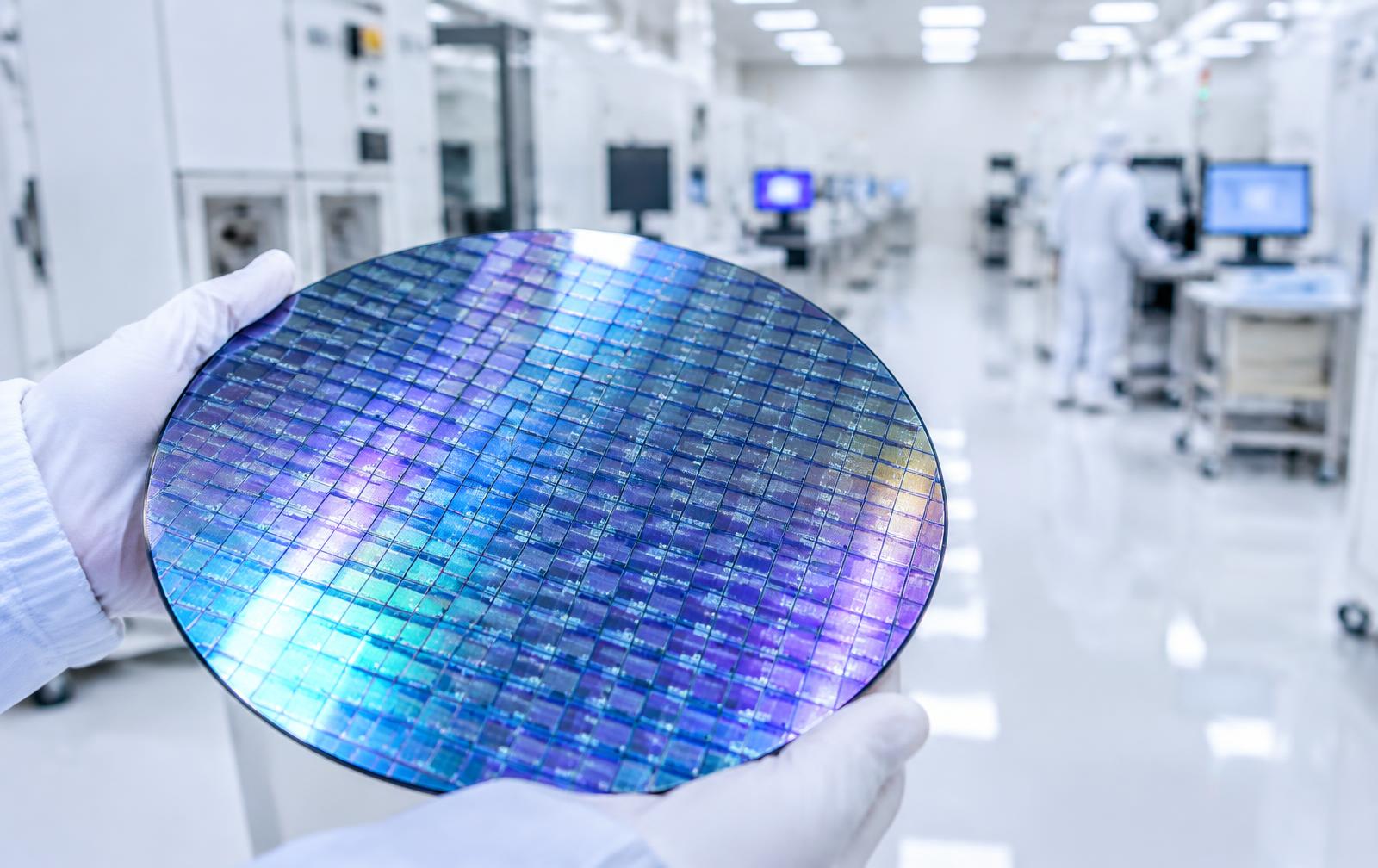
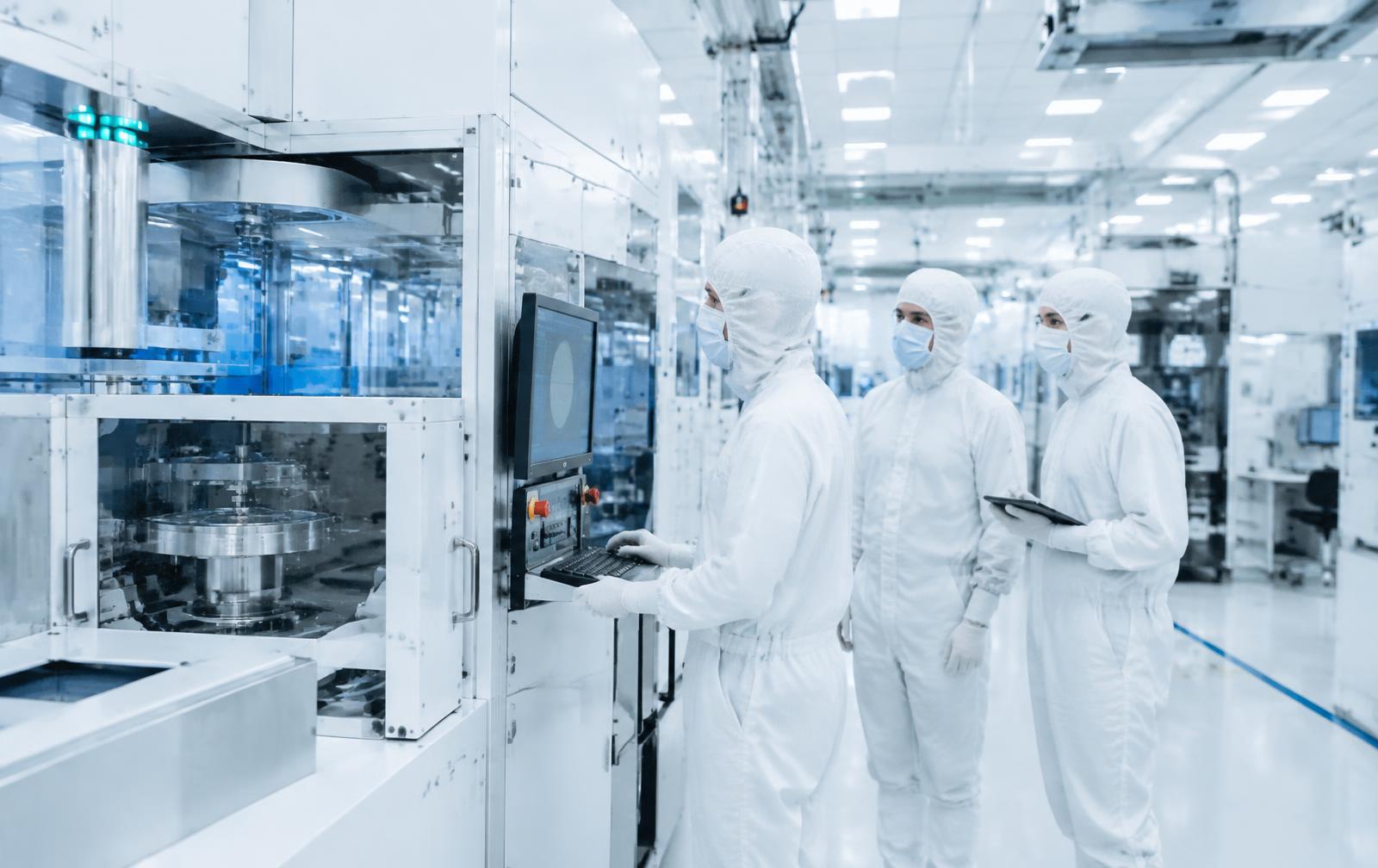
TSMC describes its Arizona site as a multi-phase campus. The expanded plan encompasses additional advanced semiconductor manufacturing as well as advanced packaging capacity — a step that brings more of the chip production chain onto U.S. soil.
For readers following the AI economy, packaging matters as much as fabrication. The most capable AI accelerators combine multiple dies and high-bandwidth memory in sophisticated packages, and capacity for that work has been among the industry's tightest constraints.
Why advanced chips matter for AI
Leading-edge logic chips power data center accelerators, smartphones, networking gear, and the computing systems used to train and run AI models. Locating that capacity in Greater Phoenix links the region directly to the global AI build-out.
Suppliers, workforce, and relocation
A fab campus of this scale depends on a deep bench of partners: chemical and gas suppliers, equipment makers and service engineers, construction firms, logistics providers, and specialized technicians. Many of these organizations evaluate nearby locations to support major customers.
That dynamic creates potential corporate relocation and expansion decisions across the West Valley and beyond — and a corresponding need for clear, current information about sites, talent, and infrastructure.
Business implications
The long-term commercial significance lies less in any single number than in sustained activity: construction cycles, supplier arrivals, workforce training, and the industrial real estate that supports them. A dedicated regional intelligence platform could help companies track that activity as it unfolds. This article is original PHX.si commentary based on public company and municipal sources.
Sources
Original PHX.si editorial commentary. Not a company press release. Figures are attributed to the sources above.
Disclosure: This website is a representative demonstration of the potential applications for PHX.si. It is not being presented as an established operating business with verified traffic, revenue, customers, or commercial partnerships. The domain is available for acquisition. The site is not affiliated with, endorsed by, or sponsored by TSMC, Intel, Amkor, any government agency, or any other company featured.